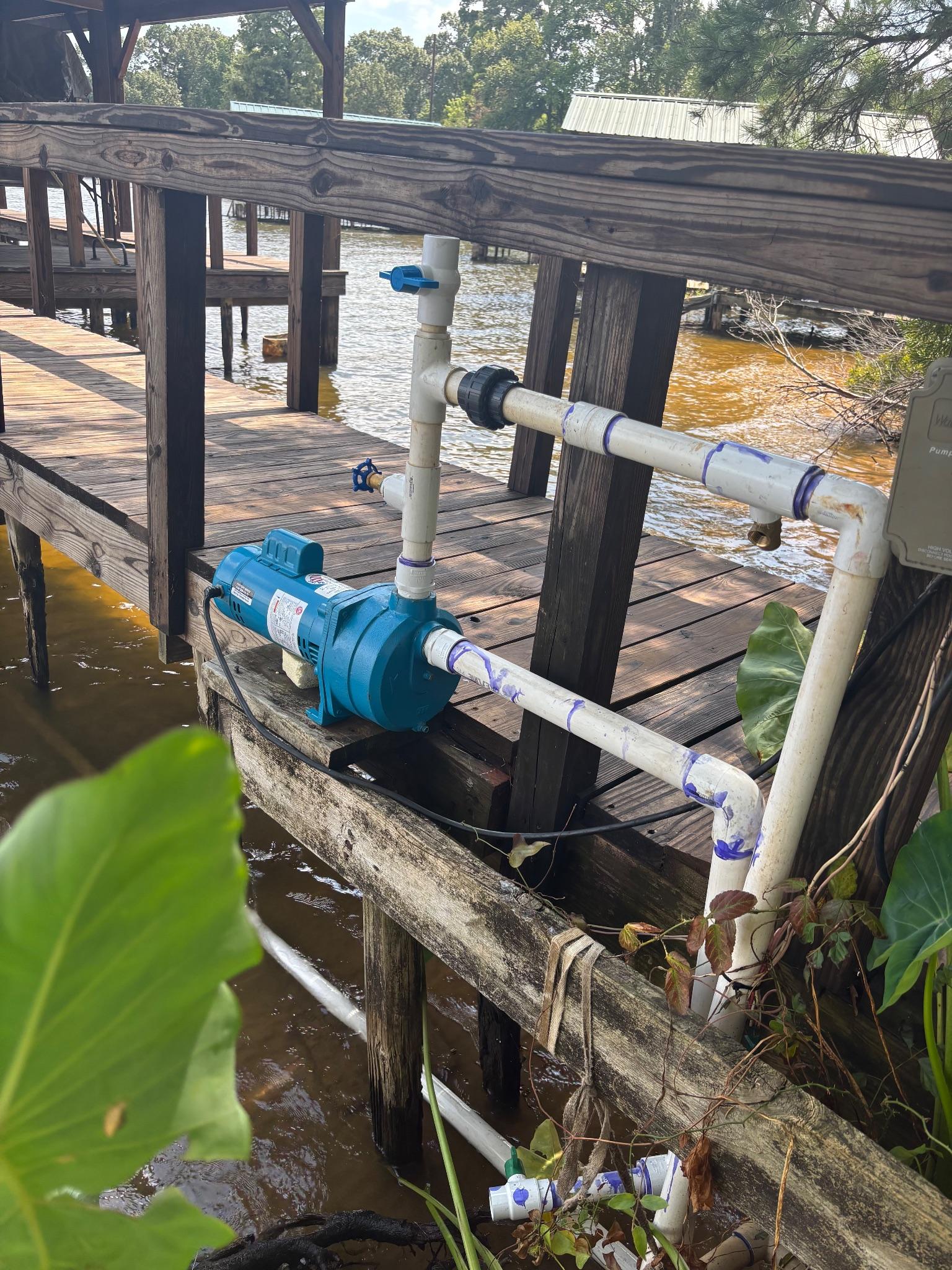
Why Your Centrifugal Irrigation Pump Keeps Losing Prime
November 15, 2026
What Does It Mean to Lose Prime?
A centrifugal pump depends on a continuous column of water to move fluid from its source to your irrigation system. When air enters that column and breaks the seal, the pump loses prime. At that point, the impeller spins freely through air rather than water, and flow stops almost immediately. Left unaddressed, running a pump without prime can cause serious wear to internal components.
Common Reasons a Centrifugal Pump Loses Prime
There is rarely a single culprit. In most cases, one or more of the following conditions is allowing air into the system.
Air Leaks on the Suction Side
The suction line — the pipe running from your water source to the pump inlet — must be completely airtight. Even a small gap at a fitting, a hairline crack in the pipe, or a worn gasket is enough to introduce air and break prime. This is one of the first places to inspect when a pump repeatedly loses its prime.
A Failing or Dirty Foot Valve
Most centrifugal pumps rely on a foot valve at the bottom of the suction line to hold water in the pipe when the pump is off. If this valve becomes clogged with debris, warps, or simply wears out, water drains back into the source between cycles. The next time the pump starts, it has no water column to work with and cannot develop prime on its own.
Suction Lift That Is Too High
Centrifugal pumps have a physical limit to how high they can pull water. If the vertical distance between the water surface and the pump inlet exceeds the pump's rated suction lift, prime will be difficult or impossible to maintain — especially as that distance increases during dry periods when water levels drop. East Texas wells and ponds can fluctuate significantly, so it is worth verifying that your pump is appropriately sized for the actual suction lift under varying conditions.
Low Water Level at the Source
When a pond, lake, or well drops below a critical level, the foot valve or strainer may be exposed to air. This is especially relevant during drier stretches of the year when surface water levels in East Texas can fall noticeably.
A Worn or Damaged Pump Seal
The mechanical seal where the pump shaft enters the housing is another potential entry point for air. A seal that has degraded over time may allow air infiltration even when the suction line itself is intact.
How to Troubleshoot the Problem
- Inspect all suction-side fittings and pipe for cracks, loose connections, and worn gaskets.
- Test the foot valve by priming the pump manually and observing whether water holds in the suction line after shutdown.
- Measure your suction lift and compare it to the pump's published specifications.
- Check your water source level to confirm the foot valve and strainer remain submerged during operation.
- Look for signs of seal wear such as moisture or leaking around the pump housing.
When to Call a Professional
Some prime loss issues are straightforward to identify, while others — like a failing mechanical seal or an undersized pump — require hands-on diagnosis and the right replacement parts. If you have worked through the basics and your East Texas irrigation pump still won't hold prime, reaching out to an irrigation professional is the most reliable next step. Continuing to run a pump without proper prime will only accelerate wear and lead to more costly repairs down the road.