Sprinkler Systems and Drainage: What Big Sandy Homeowners Need to Know
August 24, 2026
Why Sprinkler Systems and Drainage Go Hand in Hand
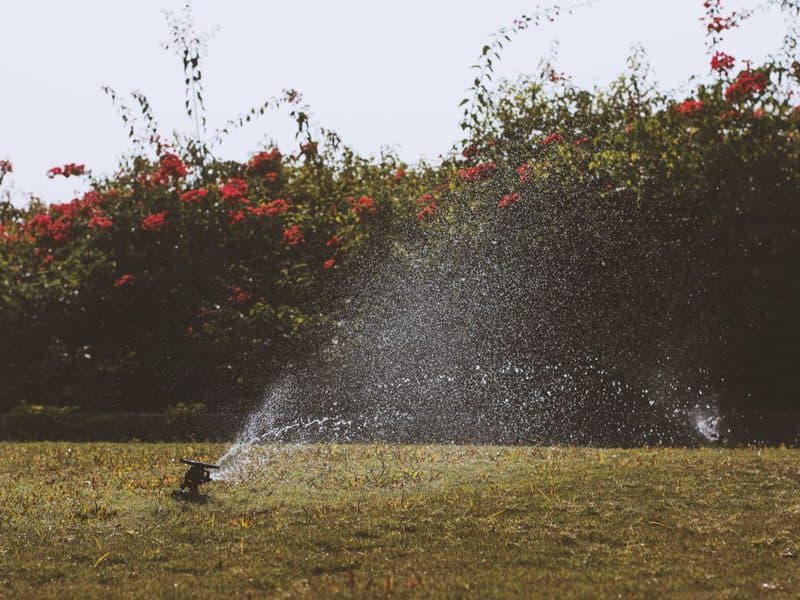
Many homeowners think about sprinkler systems and drainage as two separate concerns. In reality, they are closely connected. An irrigation system that delivers too much water in the wrong places can lead to pooling, erosion, and soggy turf. At the same time, poor drainage can undermine even the most carefully planned irrigation setup. Understanding how these two systems interact is the first step toward a healthier lawn.
Common Drainage Problems That Affect Irrigation
Before installing or adjusting a sprinkler system, it helps to identify any existing drainage issues on your property. Some of the most common problems Big Sandy homeowners encounter include:
- Standing water after watering cycles: If water is not absorbing into the soil within a reasonable time, your lawn may have compaction issues or an underlying drainage problem.
- Runoff reaching driveways or sidewalks: This often signals that sprinkler heads are poorly aimed or that water is being applied faster than the soil can absorb it.
- Erosion along slopes: Properties with any grade change are especially vulnerable when irrigation is not calibrated properly.
- Wet spots that never fully dry: These can indicate low points in your yard where water naturally collects, making targeted drainage solutions necessary.
How a Properly Designed Sprinkler System Helps
A thoughtfully designed irrigation system does more than keep grass green. It distributes water evenly, reduces waste, and minimizes the risk of creating drainage problems in the first place. Key design considerations include:
- Matched precipitation rates: Using sprinkler heads that deliver water at a consistent rate across zones prevents over-watering in some areas and under-watering in others.
- Run time adjustments: Shorter, more frequent cycles can allow water to absorb before more is applied, which reduces runoff significantly.
- Strategic head placement: Keeping spray patterns away from paved surfaces and low-lying areas helps direct water where it is needed most.
Drainage Solutions That Work Alongside Irrigation
When drainage issues are already present, sprinkler adjustments alone may not be enough. In those cases, dedicated drainage solutions are often the right approach. Options worth considering include:
- French drains: Subsurface drainage channels that redirect water away from problem areas and toward a safer outlet point on the property.
- Channel drains: Surface-level solutions often placed along driveways, patios, or other hardscaped areas where water tends to sheet across.
- Catch basins: Installed at low points in the yard to collect and redirect excess water before it causes damage.
Serving the Big Sandy Area
Big Sandy properties vary in soil type, slope, and layout, which means there is no single solution that works for every lawn. Precision Lawn Systems LLC works with homeowners throughout the Big Sandy area to evaluate both irrigation needs and drainage challenges together, rather than treating them as separate problems. This integrated approach leads to more effective results and healthier outdoor spaces over time.
Take a Closer Look at Your System
If you have noticed pooling water, uneven turf growth, or runoff after your sprinklers run, it may be time to have your system evaluated. Addressing the connection between your irrigation setup and your property's drainage can make a meaningful difference in the long-term health and appearance of your lawn.